
202.790.6192 (CALL)
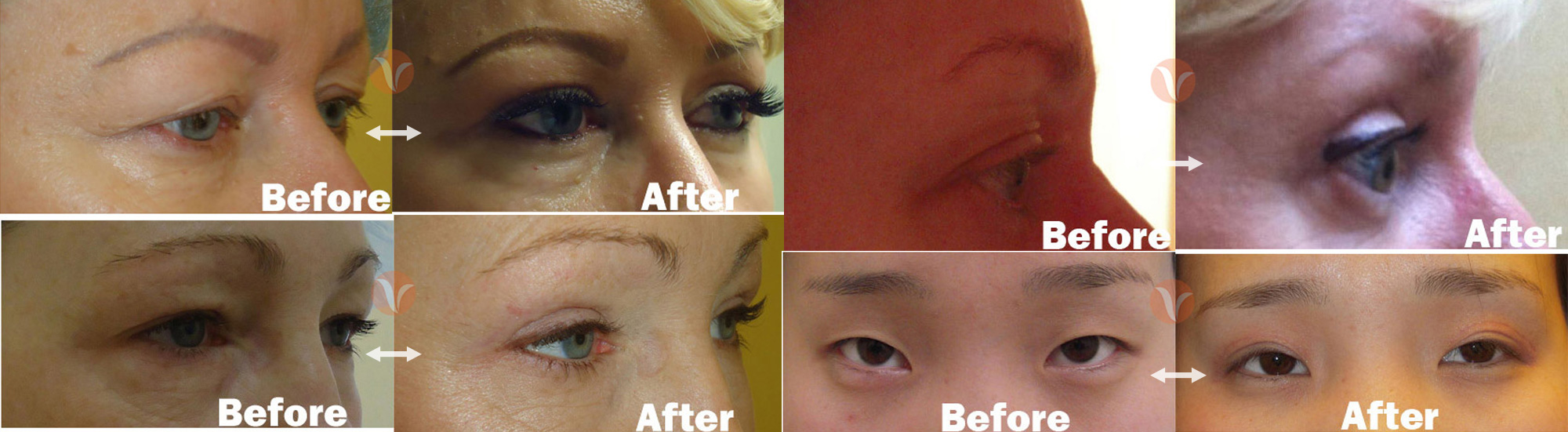
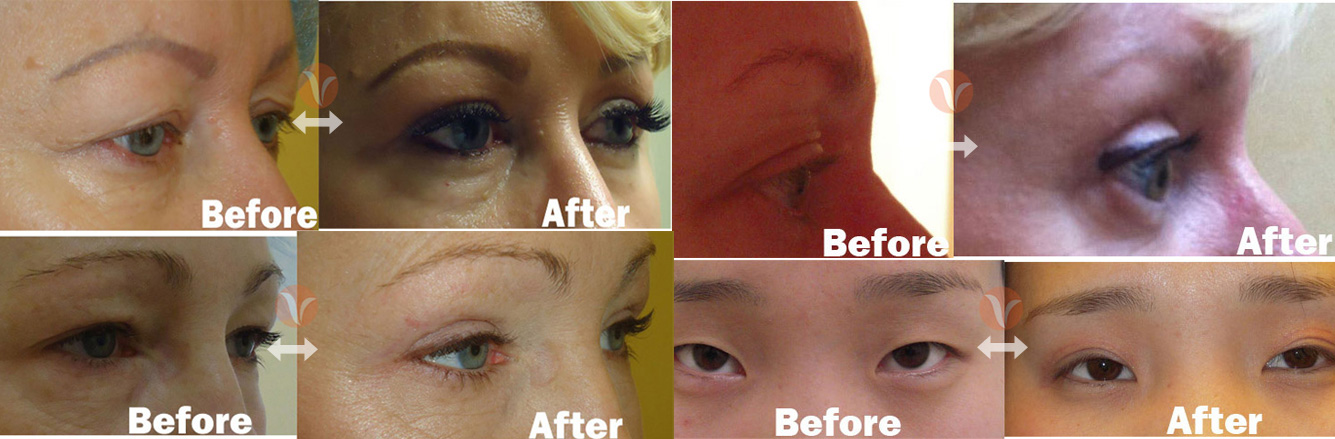

Blepharoplasty or eyelid surgery, also known as cosmetic eyelid surgery is a surgical procedure that rejuvenates the eyelids. It can be performed on the upper eyelids, lower eyelids, or both. This is perhaps the area in cosmetic surgery that requires the surgeon to be the most "ultra conservative." Aggressive surgery in the eye can leave the patient with irreversible changes that may severely affect the function and the aesthetics of the eye.
Dr. Araya customizes the Blepharoplasty or eyelid surgery for each individual. He avoids removal of too much fat to avoid the "sunken eye" look. On certain patients he uses fat or filler to fill the tear trough and smooth the eyelid-cheek junction. He is meticulous and conservative so that the shape of your eyelids will never change. He has over 15 years of surgical experience and over 20 years of cosmetic surgery research. All his surgeries are performed under local anesthesia with oral sedatives that minimizes risk of IV sedation and General Anesthesia.
The upper eyelid begins to show evidence of aging almost before any other facial feature. Excessive skin redundancy is first seen as it crowds and hides the crease of the upper eyelid . In the area near the nose, a small amount of fat often bulges out. When evaluating the upper eyelid, it is important to differentiate between the aging upper eyelid and descent of the eyebrow. The eyebrow also descends with time. As it does, the brow skin crowds the upper eyelid, adding to the fullness in the area. The surgeon must differentiate between a low brow and an aging eyelid, in order to council the patient correctly. Occasionally, patients may need both a Blepharoplasty or eyelid surgery and brow lift to rejuvenate the eyelid-eyebrow area which we can do under local in our Washington dc surgical clinic
The lower eyelid may age in one of two ways. There may be premature eyelid aging, which is hereditary. People with this hereditary condition begin to demonstrate lower eyelid "bags" during the late twenties and early thirties. Most people, however, begin to show signs of eyelid aging in their early forties. As the lower eyelid ages, the fat that surrounds the eye begins to accumulate under the eye and develop the "bags" that are visible. The skin also begins with age and develops wrinkles. The eyelid muscle can descend and give the eyelid a droopy look. As the malar fat (cheek fat) pad descends, a loss of volume can develop between the lower eyelid and the cheek. This creates a line that sharply demarcates the lower eyelid from the cheek.
The lower eyelid surgery
The goal of the lower Blepharoplasty or eyelid surgery is to provide a smooth lower eyelid contour that blends with the cheek. This is done by removing the fat that protrudes underneath the eye, removing some of the excess skin, and then elevating and repositioning the eyelid muscle. This must be done in a manner that will maintain the patient's natural eyelid shape and avoid any malposition. Malposition is the name given to describe the change in the lower eyelid position that can occur from a poorly performed Blepharoplasty or eyelid surgery.
The lower eyelid Blepharoplasty or eyelid surgery can be performed via two different methods in our Washington dc surgical clinic. The skin muscle flap technique is performed through an incision just underneath the eyelashes. The skin and muscle are elevated to reach the fat pockets. The fat pockets are then removed. The amount removed must be just the right amount. If too much is removed, the eye may appear hollow after surgery. If too little is removed, then bulges will still be visible after surgery.
After the fat is removed, I tighten the eyelid muscle. This allows the contour of the eyelid to blend with the cheek. It also tightens the eyelid to prevent any eyelid malposition. The incision is then closed with tiny continuous stitch. This is my preferred technique for most patients that have lower eyelid aging. The technique allows me to remove the excess fat and tighten the eyelid muscle. The combination of these two rejuvenates the lower eyelid and cheek complex.
The second technique is the trans-conjunctival technique. I prefer to use this technique for young patients that need little to no skin removal or patients with very prominent eyes. The trans-conjunctival technique involves an incision inside the eye to access the fat. The fat is then removed and a small pinch of skin may be removed, if necessary, from underneath the eyelashes.


